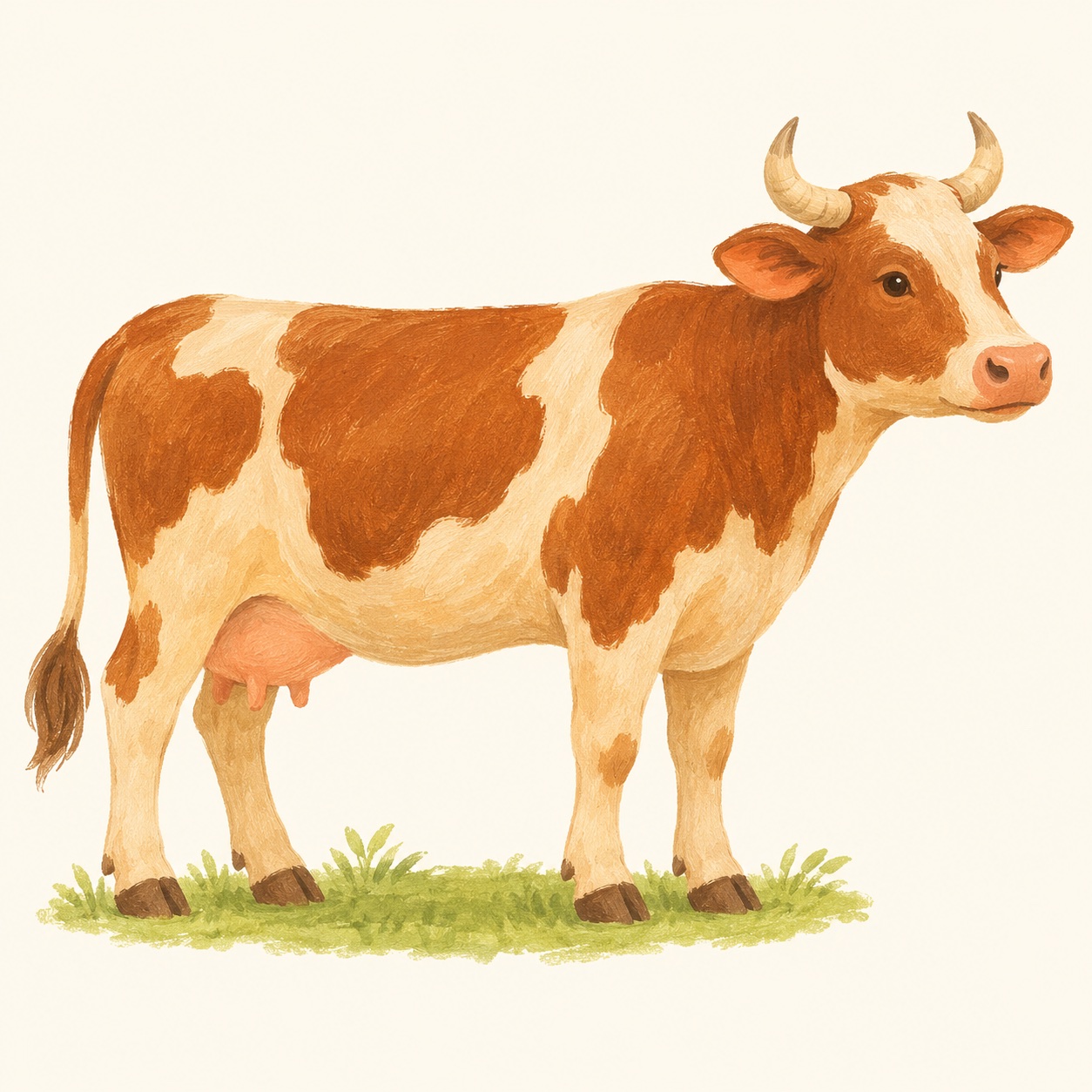
牛
cow
- 牛肉
- 牛油
LEVEL 3 / LESSON 01
观察字形,学会用词,再把故事说出来。
Notice character shapes, use new words, and tell a story.

第一课 / Lesson 1
01 / 传说与课文
这是关于仓颉造字的传说。课文中的“五千年前”属于故事叙述。
This lesson introduces a legend. Read its opening as part of the story.
课文跟读 / Read the lesson
设备中文语音 / Device Mandarin voice
五千年前有个人,
他的名字叫仓颉,
他把图画变文字,
好学,好念,又好记。
如果不能写字,你会用什么图画表示太阳、月亮或一棵树?
What picture could you use to represent the sun, moon, or a tree?
我们借传说认识字形,不把传说当成一个人创造全部汉字的历史证明。 / This story is a way to discuss writing, rather than proof of one person creating every character.
02 / 看图识字
课文中的字 / Characters in the rhyme
设备中文语音 / Device Mandarin voice
日、月、水、火、山、木、石,
耳、目、心、手、口、舌、牙,
想想还有哪些字?
牛、羊、马、象、鸟、虫、鱼。
观察“日、月、木、山”的字形,再画出你想到的事物。
Look at 日, 月, 木 and 山, then draw what each makes you think of. The new animal pictures are vocabulary aids, not ancient character forms.
03 / 第一周
先认字,再读词。点“听这个字”或例词旁的“听”,可以听设备语音。 / Recognize the character, then read its example words.
cow
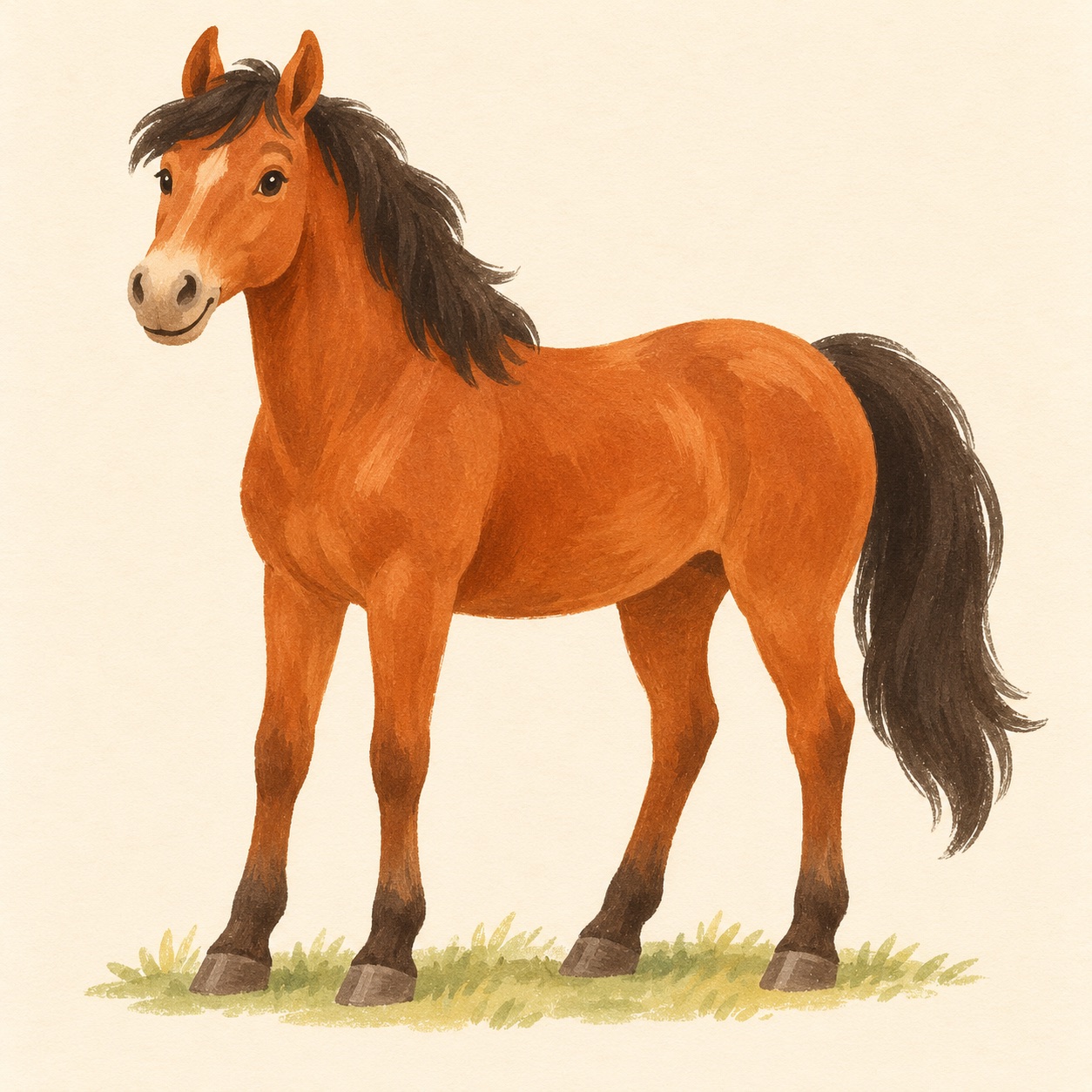
horse
繁体对照:馬
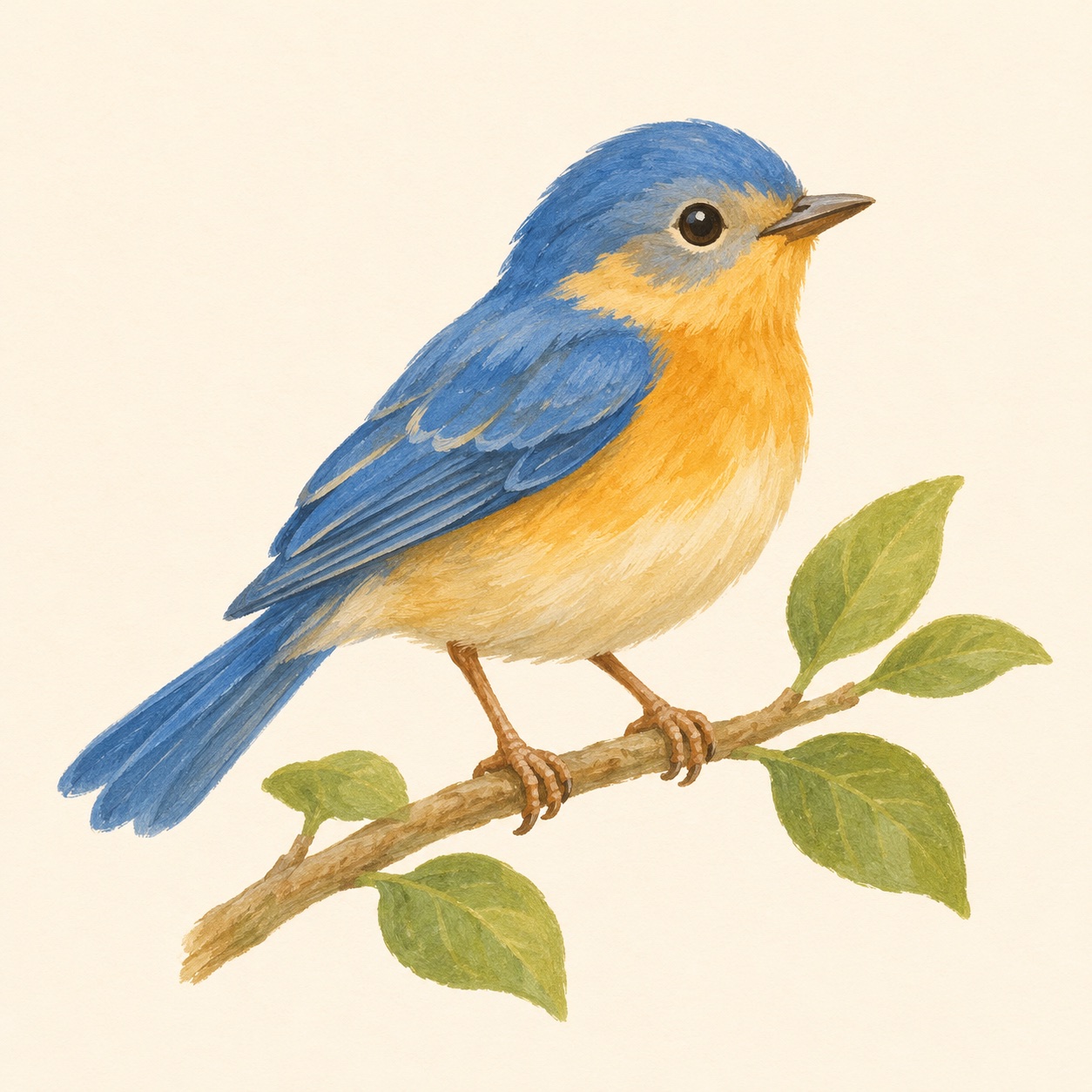
bird
繁体对照:鳥
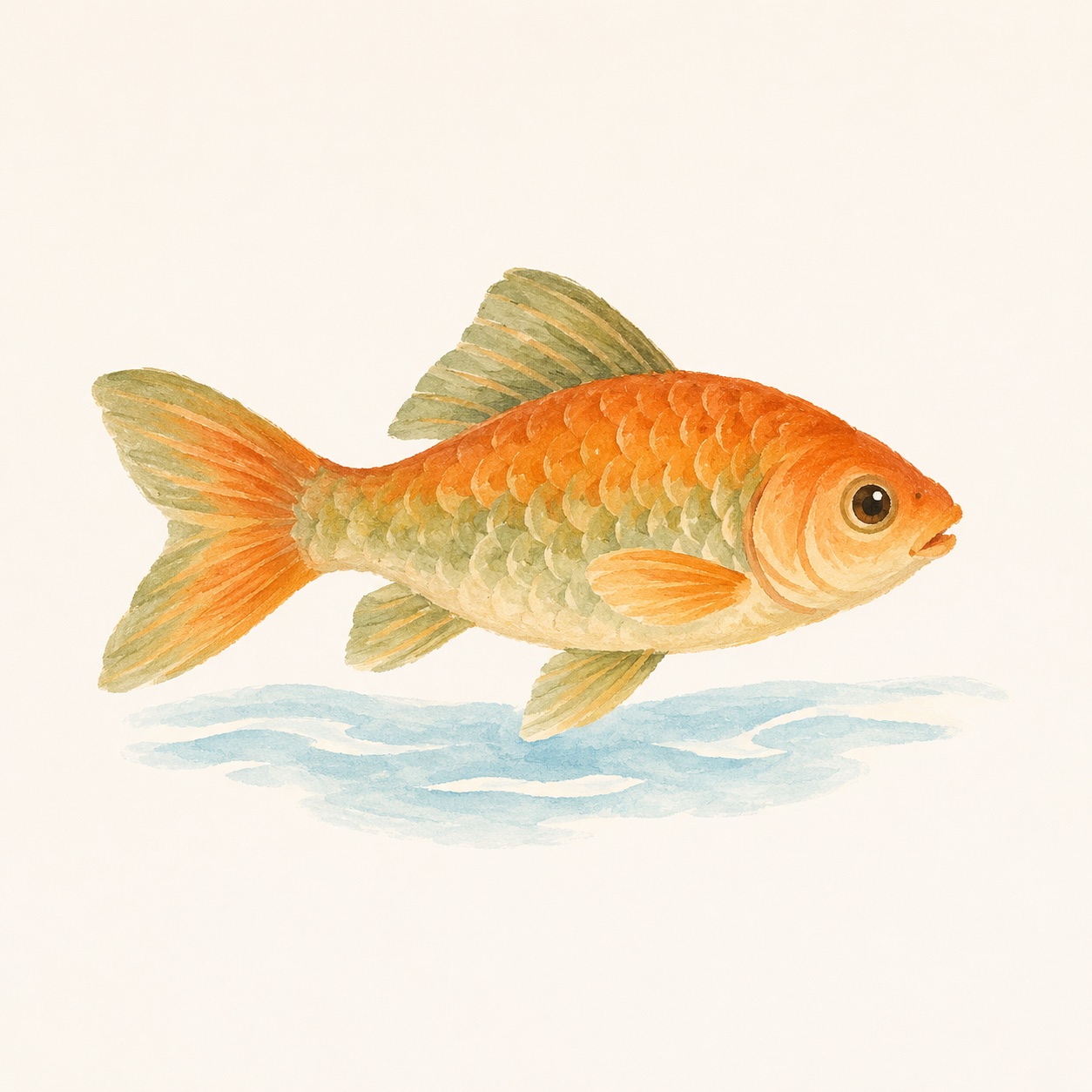
fish
繁体对照:魚
name; famous
written character
insect; bug
繁体对照:蟲
elephant
本课“牛油”配合课件图片理解为黄油。 / In this lesson, 牛油 refers to butter, as pictured in the supplied material.
甲 A你叫什么名字?
乙 B我的名字叫________。
可以用自选或虚构的名字练习。 / Use a chosen or fictional name.
04 / 第二周
mother
繁体对照:媽
child; son
繁体对照:兒
divide; a point
again; also
handle; hold
join; combine
本页用简体字学习笔画。繁体字只作对照,不能沿用简体的笔画数。 / Stroke counts apply to the simplified forms displayed, not to the traditional comparison forms.
把两张纸分开,再合起来。找一找门把手,用一句话说明你看见了什么。
Separate two sheets, then put them together. Find a door handle and describe it.
05 / 句型与字形
“又”可以表示再次,也可以补充另一个情况或特点。 / 又 can signal repetition or add another situation or description.
这个西瓜大又好吃。
这个书包好看又好用。
选一样物品,用“____又____”说出两个特点。
Choose an object and describe two of its qualities.
这是帮助记形的部件游戏,不等同于每个字的历史字源解释。课件中的“上、下记卡”可与老师另外讨论笔画的重叠。 / These are shape-building memory exercises rather than complete historical etymologies.
06 / 故事

这部分根据故事课件作了简短改编。先读一小段,再讲给同伴听。 / Read a short adapted scene, then retell it to a partner.
故事 1 / SCENE 1
故事跟读 / Device read-along
设备中文语音 / Device Mandarin voice
保罗的爸爸送给他一件上衣。
上面写着三个中文字:我爱你。
故事 2 / SCENE 2
故事跟读 / Device read-along
设备中文语音 / Device Mandarin voice
保罗不会读这三个字。
中中教大家读:我爱你。
老师请中中教同学们中文。
故事 3 / SCENE 3
故事跟读 / Device read-along
设备中文语音 / Device Mandarin voice
中中教大家认识日、月、山、人、女。
他又教大家认识儿、马、鸟、鱼。
故事 4 / SCENE 4
故事跟读 / Device read-along
设备中文语音 / Device Mandarin voice
中中把两个部件合起来,组成另一个字。
大家说:真好玩!
故事 5 / SCENE 5
故事跟读 / Device read-along
设备中文语音 / Device Mandarin voice
中中说:学中文,四个声调很重要。
大家跟着他念:妈妈骑马,马慢,妈妈骂马。
故事 6 / SCENE 6
故事跟读 / Device read-along
设备中文语音 / Device Mandarin voice
同学们一遍一遍练习妈、马、骂。
校长听见大家一起练读,吓了一跳。
原来大家正在练习中文的声调!
07 / 写与说
先看老师示范,再在纸上或画布上练习。 / Watch your teacher model the character, then practise on paper or the canvas.
牛
部首:牛 · 简体四画 / 4 strokes
画布不自动评判笔顺或字形,不上传作品。 / The canvas does not grade handwriting or upload work.
“麻”是用来比较第二声的拓展字,不列入本课十四个核心生字。 / 麻 is an optional second-tone comparison word.
绕口令跟读 / Tone practice
设备中文语音 / Device Mandarin voice
妈、麻、马、骂。
妈妈骑马,马慢,妈妈骂马。
先慢慢说,注意声音的高低变化;不用比谁说得快。 / Start slowly and notice pitch changes.
08 / 综合复习
先选答案,再看解释。结果只在当前页面显示。 / Choose your answers, then review. Results are not saved to a student account.
挑三个生字读词,挑两个部件组字,用“又”说一句话,再讲一小段故事。
Practise a few words, build a character, make a sentence with 又, and retell one scene.
根据您提供的 B2L1-1.ppt、B2L1-2.ppt 与 B2L1-story.pptx 改编,按您的网站安排列为 Level 3 第一课。保留两周词语主题,并将故事改写为六段适合网页阅读的短文。插图全部为新生成图像,不使用原课件图片。
原文件包含短音效,没有课文或故事的完整旁白。“逐词跟读”使用设备的中文合成语音,并在每个词开始发声时高亮;不是课件录音或真人录音。没有中文语音时,请老师朗读。Device-voice availability and pronunciation vary by browser. Practice and drawings stay on this page/device.